ASIC CFD Leverage Limits in Australia: The Retail Caps Explained
The current retail leverage caps by product class and how they affect margin.
Resource guide · Australia
Before you deposit money, check the legal entity that will hold your account, not just the broker's brand, app name or the regulator logo on its website. In Australia the Australian Securities and Investments Commission (ASIC) is the main regulator for financial services and markets. A provider may hold its own Australian Financial Services Licence (AFSL), or act as an authorised representative of a licensee, and the licence must cover the exact service and product offered to you. A register entry is an important check, not a guarantee that an investment is safe, that you will profit, or that every loss will be repaid.
For most brokerage and investment services offered to Australian clients, start with ASIC. Check whether the Australian entity named in your account agreement holds an AFSL or is authorised to act for a licensee, then check whether its permissions cover the service you actually intend to use.
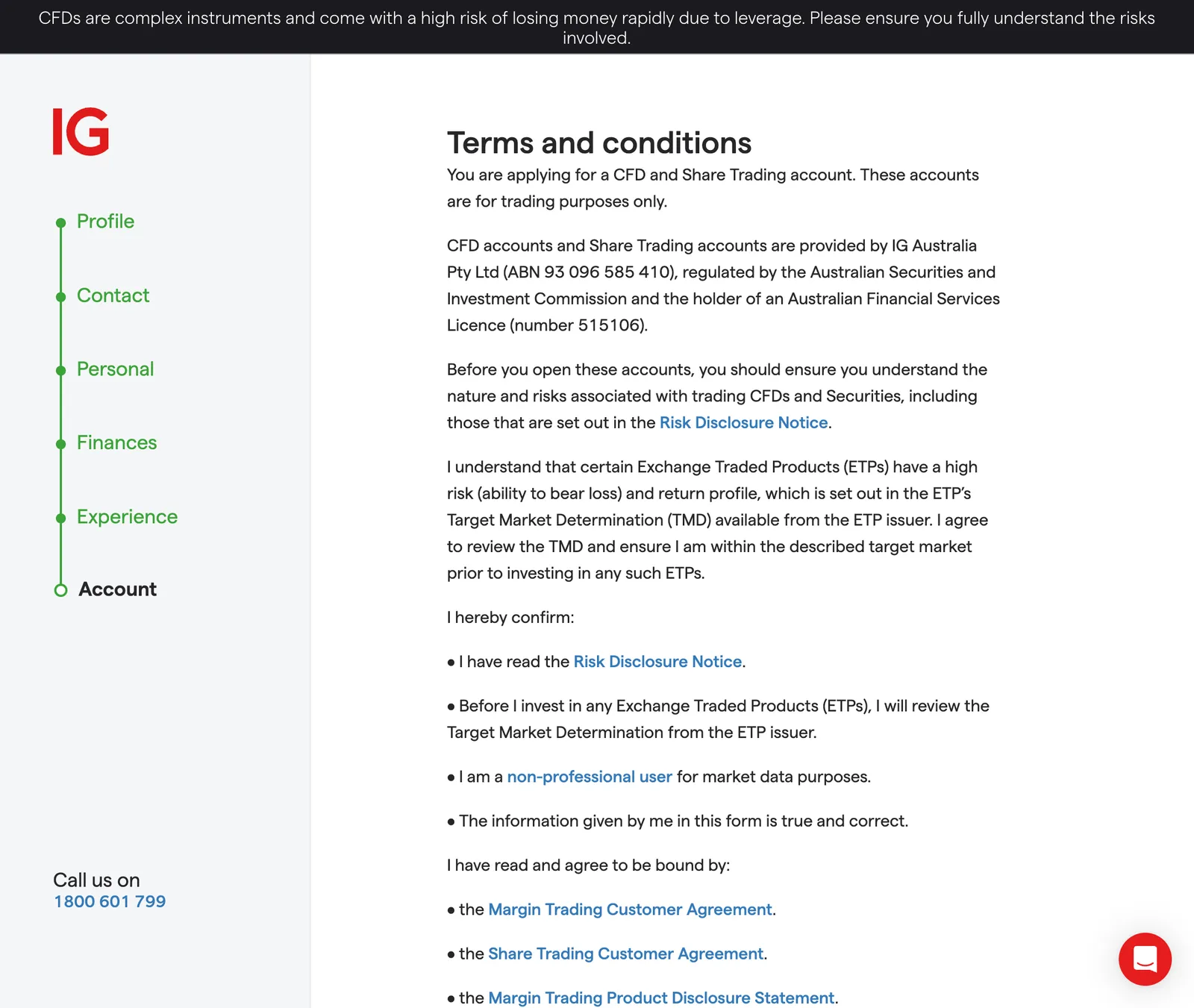
A group may run several companies in different countries. The brand on the homepage may not be the company that contracts with you, holds your account or handles a complaint. An overseas regulator's licence may apply to an overseas entity, but on its own it does not show that the Australian-facing service is authorised for Australian clients. For the plain-English version, see ASIC explained for traders.
| Body | What it does | What its status does not tell you |
|---|---|---|
| ASIC | Regulates financial services and markets; administers AFSL licensing and keeps public registers. | Not a product endorsement, a promise of solvency, or a guarantee against loss. Check the licence scope, conditions and the entity serving you. |
| AUSTRAC | Financial intelligence and AML/CTF regulator; certain digital currency exchanges must meet AUSTRAC requirements, including registration where applicable. | Not proof a crypto asset is suitable, that an exchange is financially sound, or that a service holds an AFSL for financial products. |
| APRA | Prudentially supervises banks, insurers and superannuation entities. | A bank that receives your deposit may be APRA-regulated; that does not make the broker an APRA-regulated investment provider. |
| RBA | Australia's central bank; monetary policy and key parts of the payments system. | "RBA regulated" is not a substitute for checking a broker's AFSL with ASIC. |
| AFCA | External dispute resolution for eligible complaints about member firms, after the firm has had a chance to respond. | Not the licensing regulator; does not insure accounts or automatically compensate everyone who loses money. |

Use the official ASIC Professional Registers and the ASIC registers guide. Search independently. Do not rely only on a link, screenshot or licence number supplied by the broker.
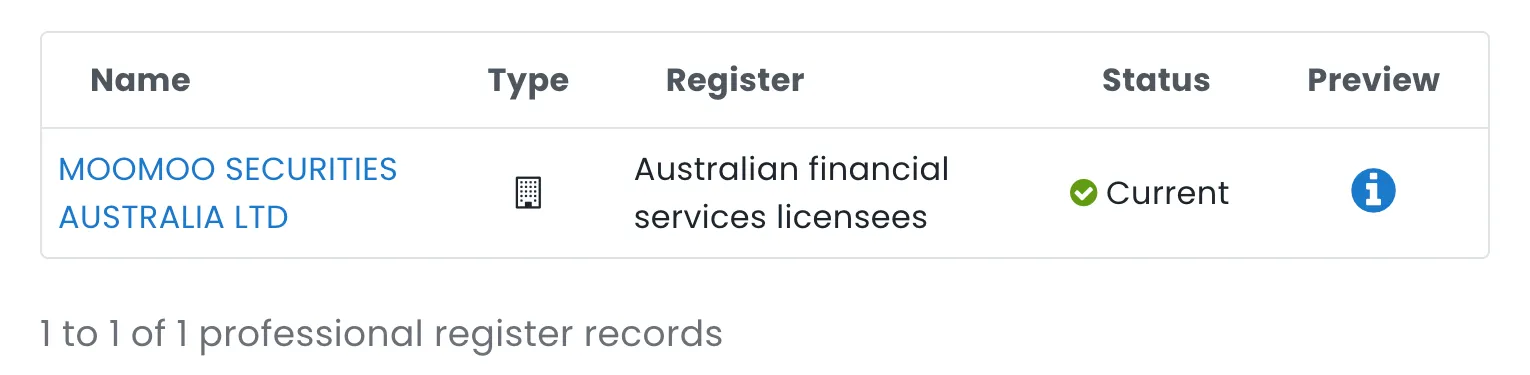
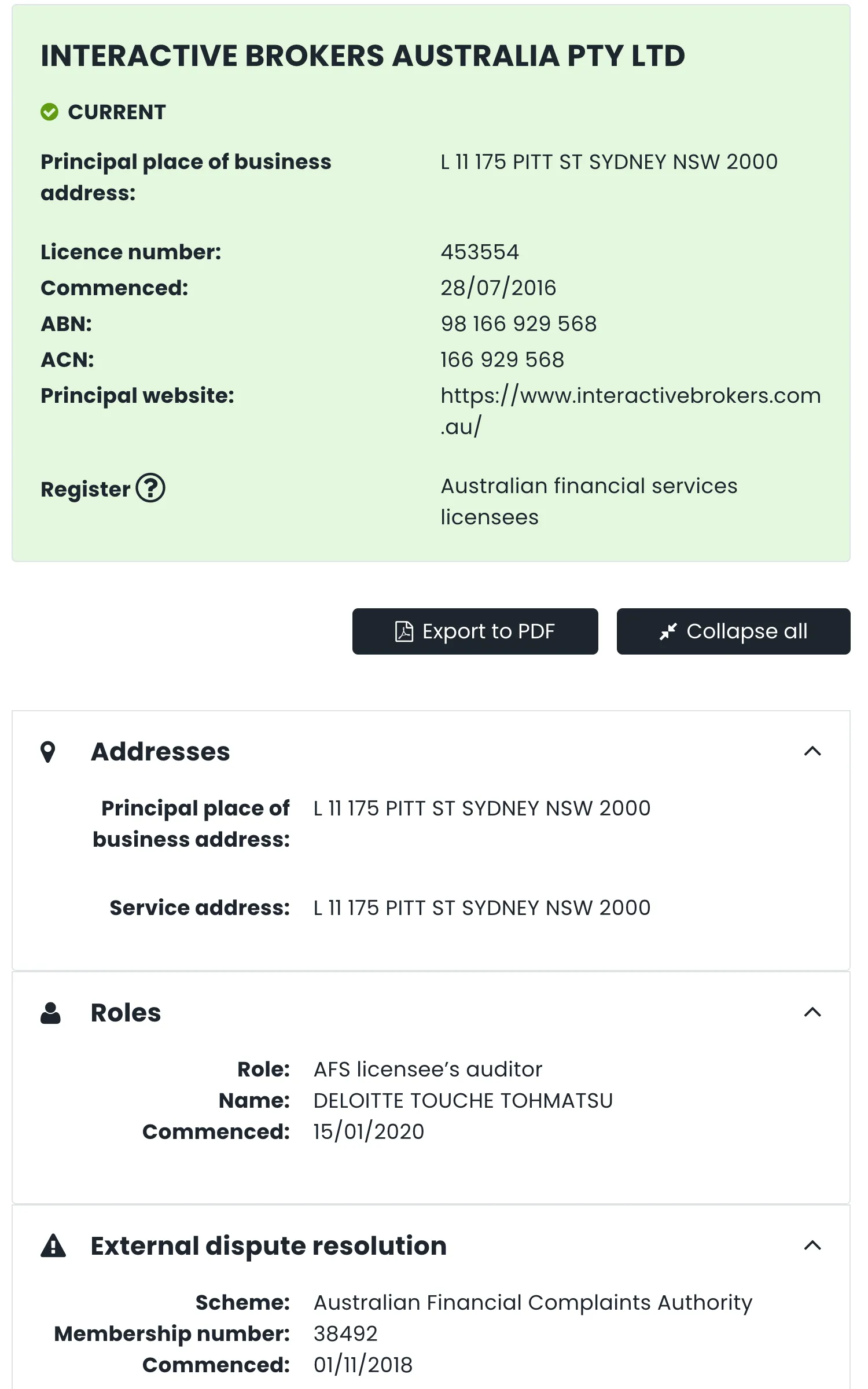
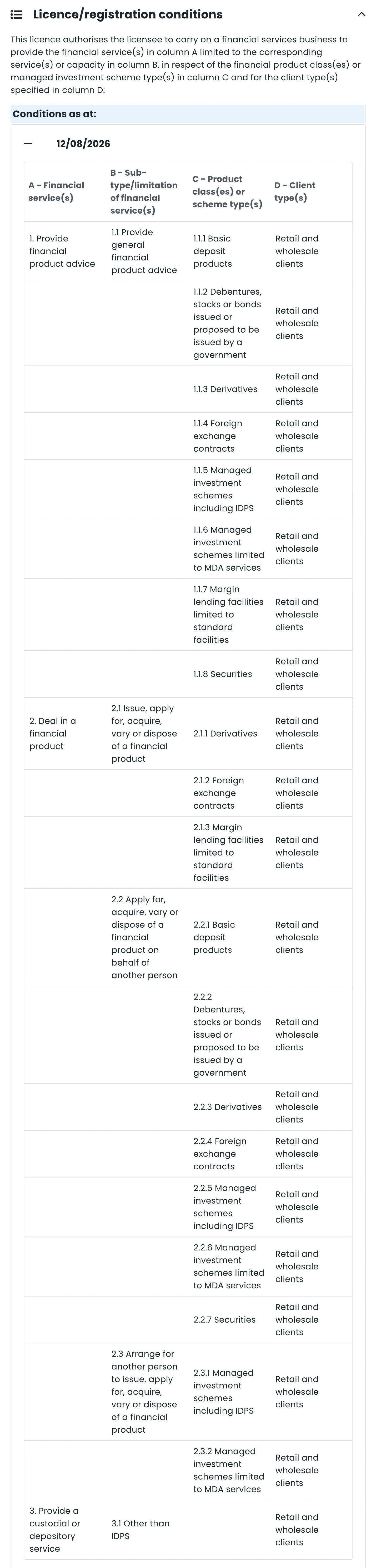
If you cannot establish which entity will hold your account, or cannot match its permissions to the service offered, do not deposit until you have independently resolved the mismatch.
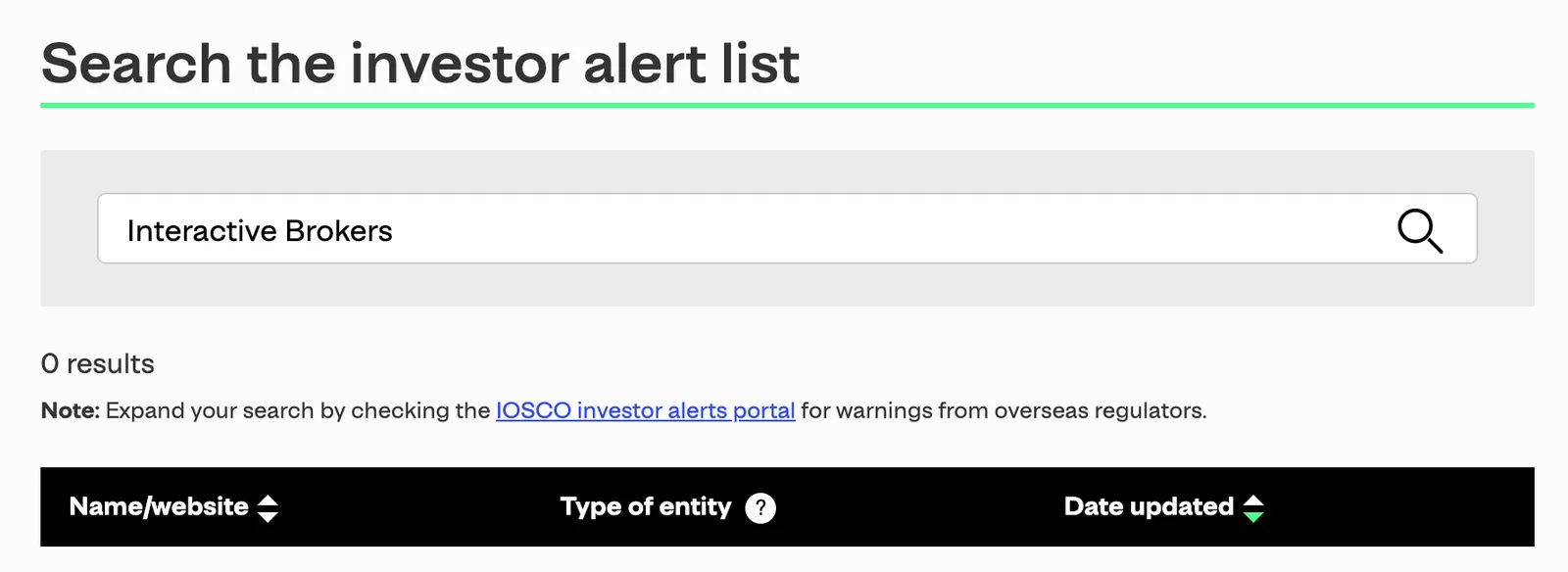
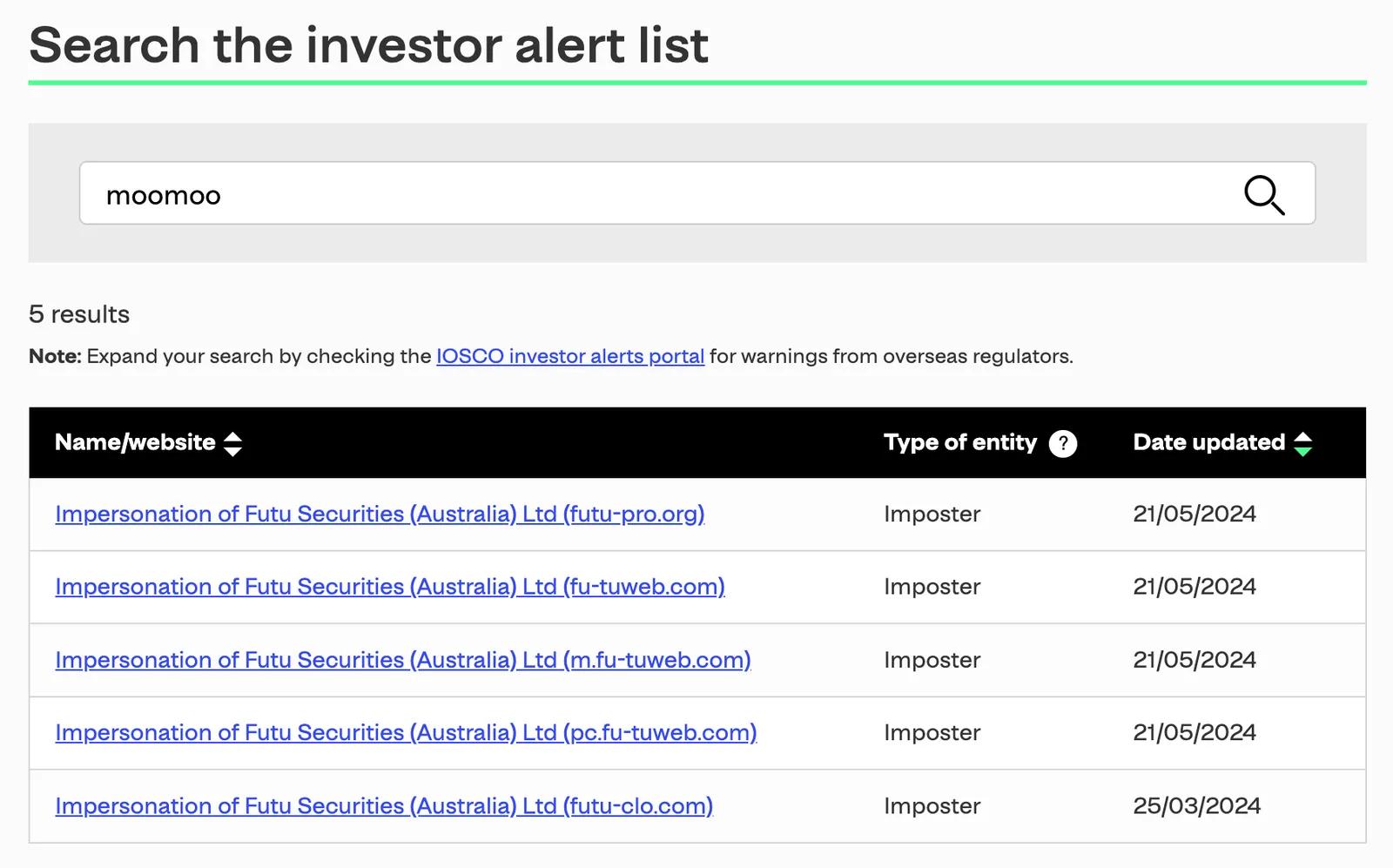
A licence creates legal obligations and lets the regulator supervise and act within its powers. It does not remove market risk or guarantee that a provider will never fail. A register entry is one part of due diligence, not a quality rating or a recommendation to open an account.

Some rules require client money to be held separately from a firm's own money for particular services. The exact treatment depends on the product, account and circumstances. Segregation is not a promise that every dollar is immediately available if a firm becomes insolvent, and it is not a government-backed compensation scheme.
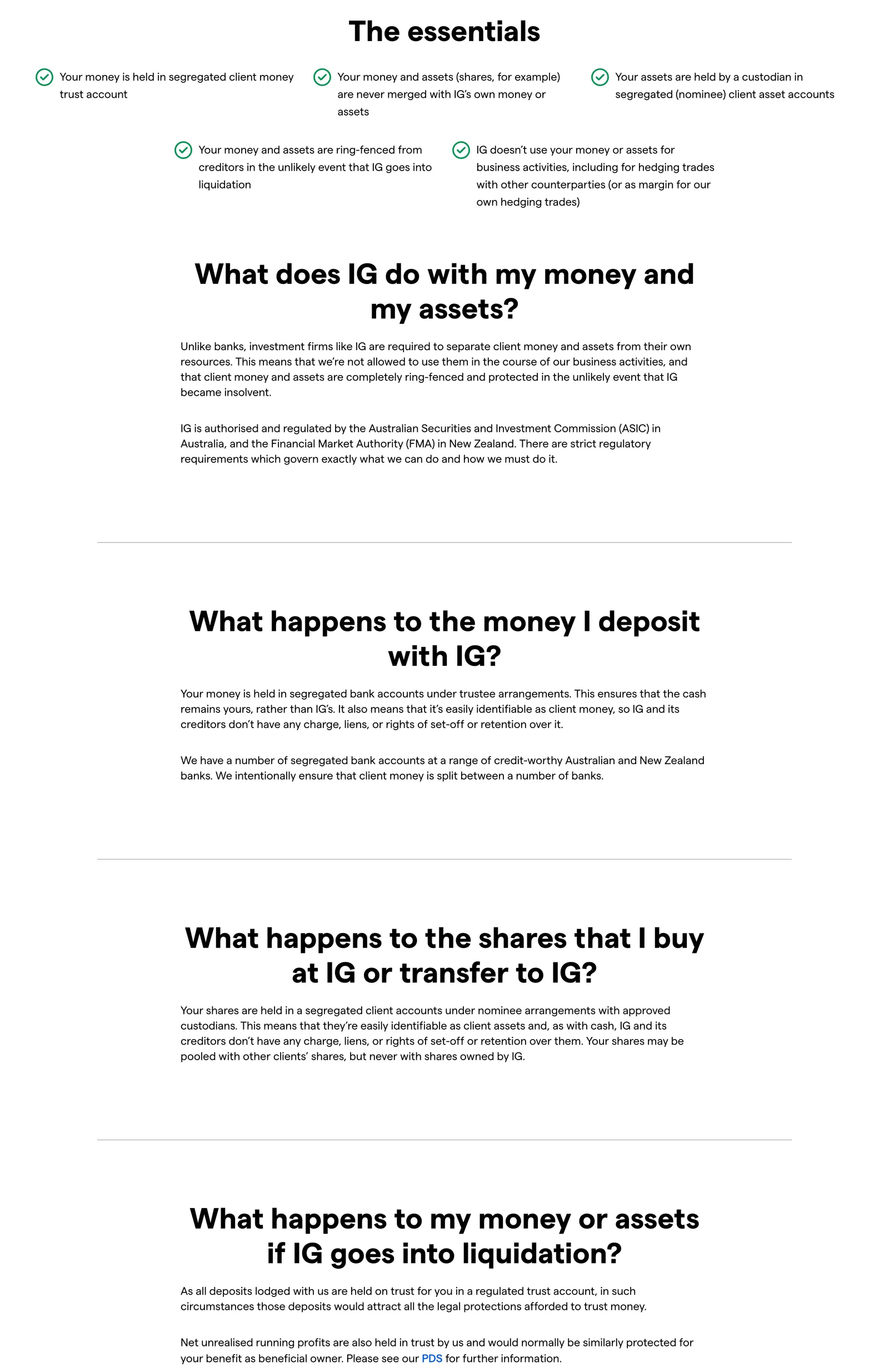
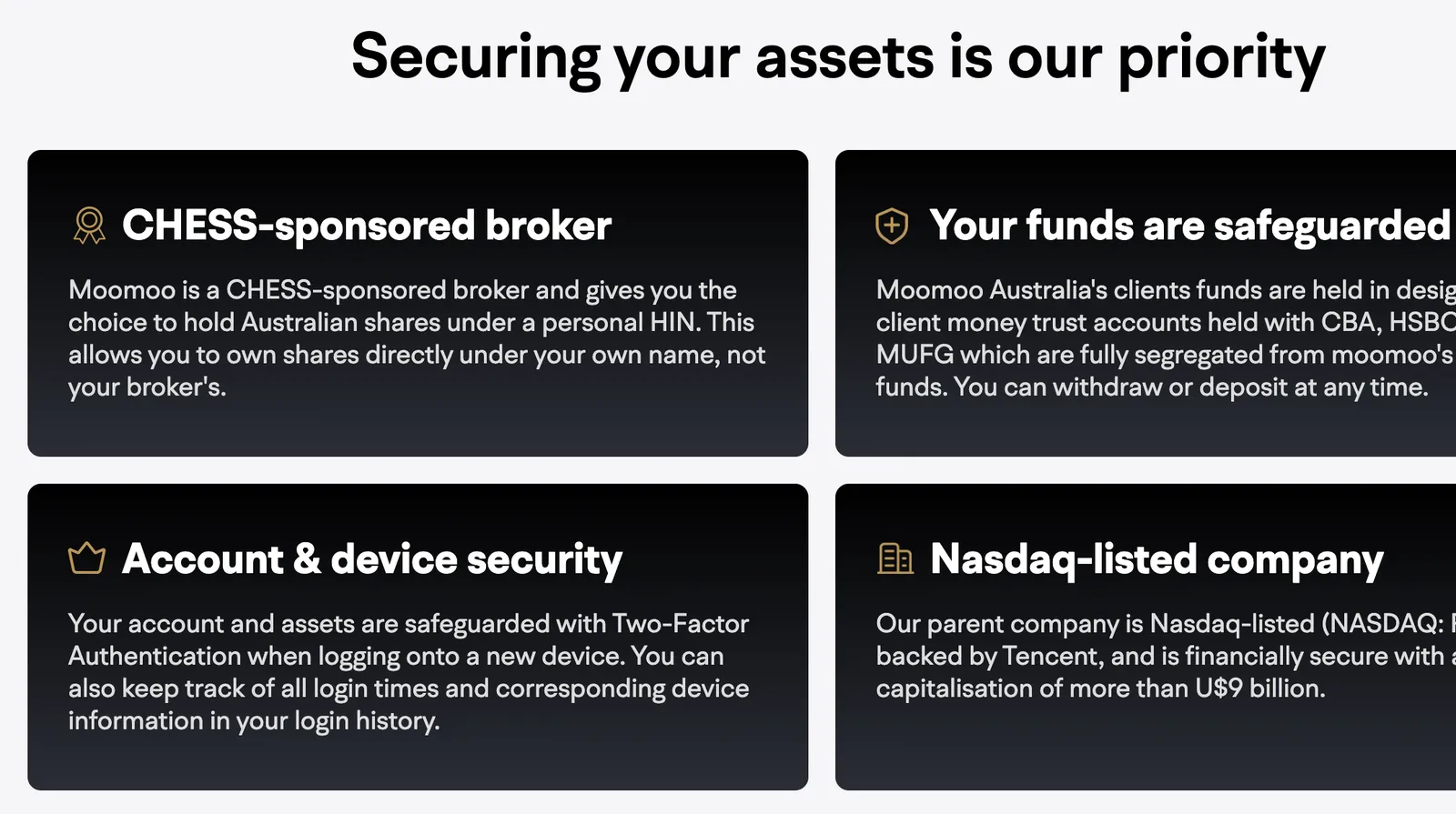
The Financial Claims Scheme is a separate protection for eligible deposits held with an eligible Australian authorised deposit-taking institution, subject to the scheme's rules and limit. It is not a general guarantee for brokerage accounts, shares, CFDs, forex trades or crypto assets. A broker using an Australian bank does not make your trading account a guaranteed bank deposit.
If you have a dispute, complain to the firm first and keep copies of your documents and correspondence. If the firm is an AFCA member and the complaint is within AFCA's rules, you may be able to ask AFCA to consider it.
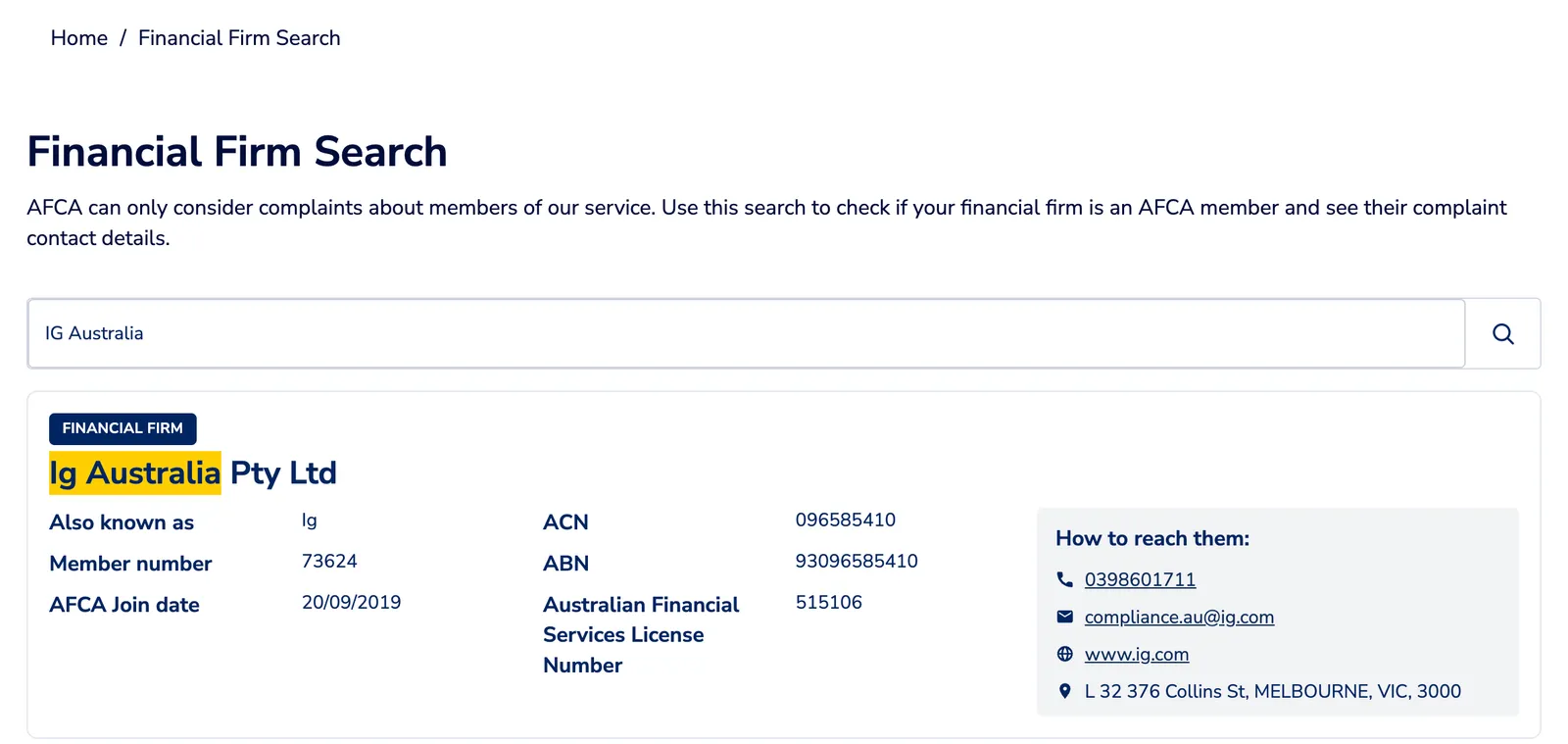
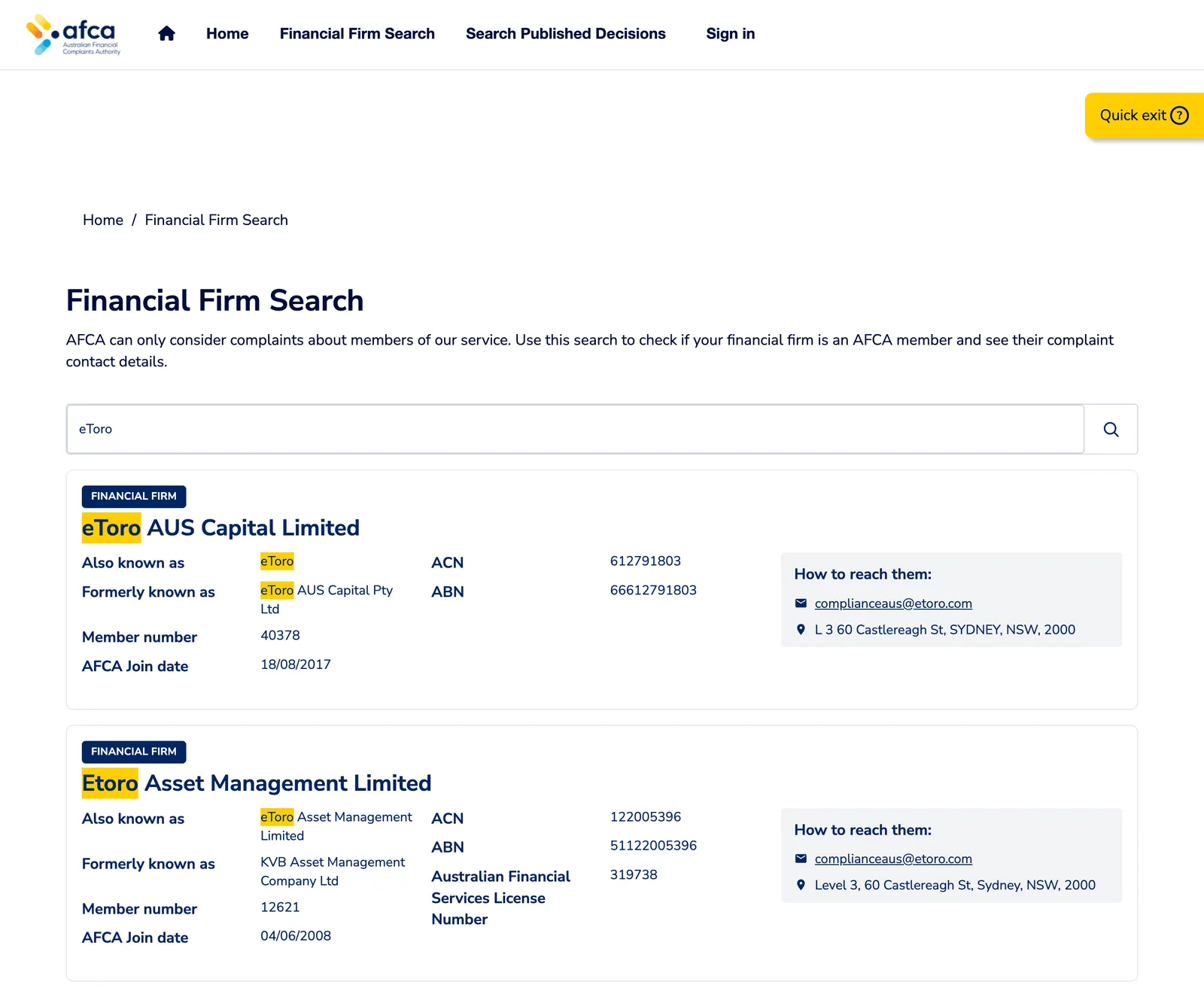
The CSLR is narrower. It can pay eligible consumers up to A$150,000 for certain unpaid AFCA determinations, after the required process. It does not cover every financial service: AFCA lists dealing in foreign exchange and derivatives among the services outside its scope. Do not assume an AFSL, an AFCA membership or an unpaid complaint means you will qualify. Read the current CSLR eligibility information and get individual guidance if you think it may apply.
Neither AFCA nor the CSLR reimburses ordinary market losses just because an investment fell in value.
CFDs are leveraged derivatives. They can magnify both gains and losses, and you can lose money quickly. ASIC's retail CFD product-intervention rules include product-specific restrictions and protections, and the rules that apply depend on the product and your client classification. These measures do not make CFDs low-risk or suitable for everyone. Read ASIC's media release on its CFD product intervention order and the Moneysmart guide to CFDs before relying on a broker's summary.
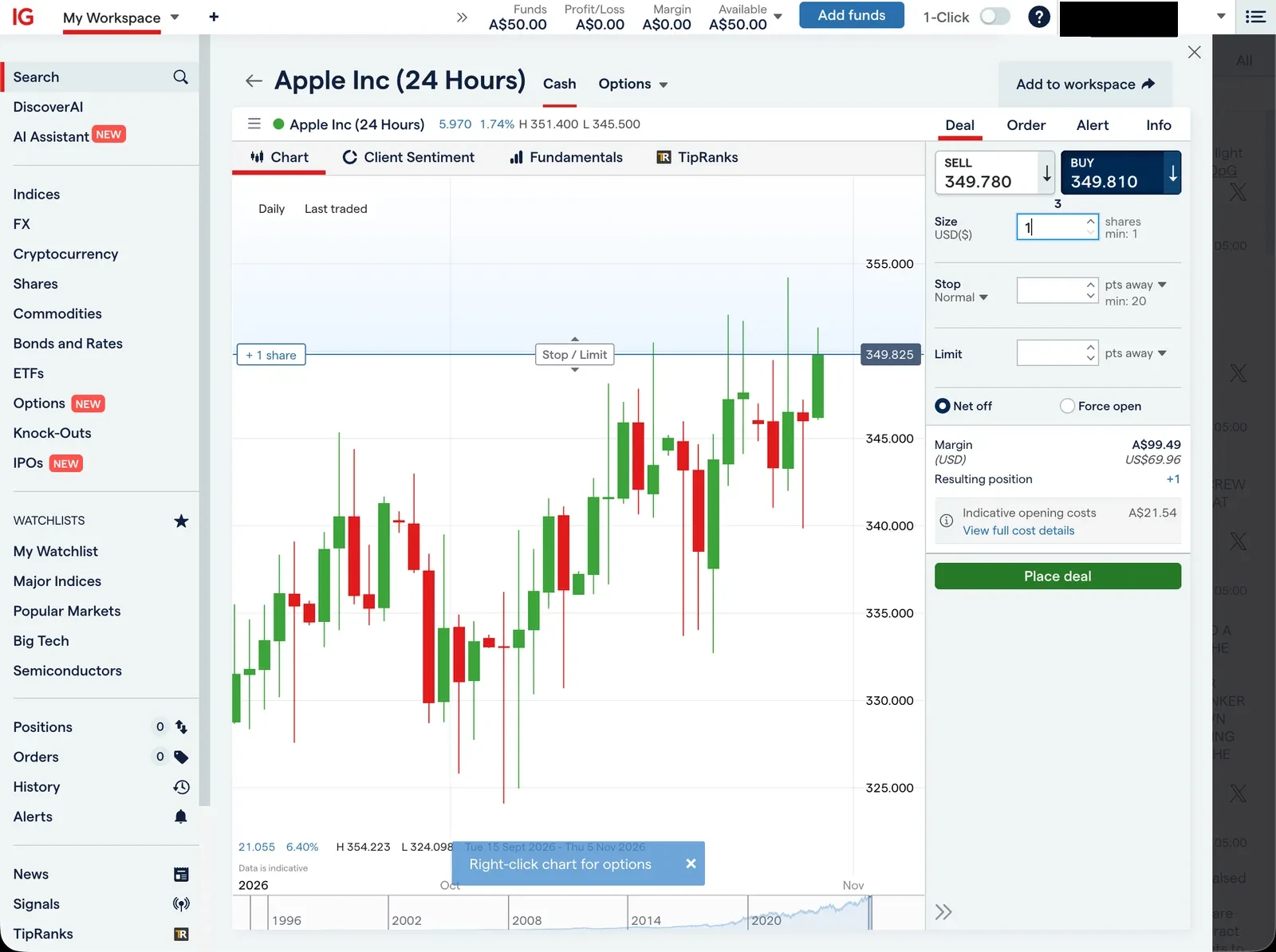
Be cautious if a provider encourages you to reclassify yourself as a wholesale or professional client to access higher leverage or different terms. Wholesale classification has legal criteria, and retail protections may not apply in the same way. Do not sign a classification statement unless you understand the test, the consequences, and which protections you would give up. Our guide to retail vs wholesale clients and the CFD leverage limits in Australia explain both in detail.
The RBA is the central bank and APRA is the prudential supervisor for specified financial institutions. Both matter to the financial system, but neither replaces ASIC's role in regulating financial services and markets. A payment provider or bank involved in funding an account may be regulated for its own activities, while the broker remains a separate legal entity you still have to check on the appropriate register.
The practical rule is simple: verify the firm that provides the investment service, not just the bank it uses, the payment app it accepts, or the global group name on its website.
There is no single tax answer for every Australian investor or trader. Treatment depends on what you hold, how you acquired and disposed of it, the legal structure of the product, your circumstances and, where relevant, whether your activity amounts to carrying on a business.
For shares and similar investments, a sale may give rise to a capital gain or capital loss, and dividends and distributions can have separate tax consequences. Frequent or organised trading may need a different analysis from long-term investing. CFDs and foreign-currency transactions can involve specialised rules, so do not assume the treatment of a share investment also applies to a derivative or forex position.
Start with the ATO guidance on shares and similar investments, keep statements and records of fees, funding, conversions and disposals, and speak with a registered tax agent about your own situation. For where the rules diverge by product, see trading tax in Australia. This guide is factual information only, not tax advice.
A regulation guide should help you verify a provider, not funnel every reader toward the same product. When you are ready to compare, pick the lane that matches what you want to do:
Keep the legal entity and product-specific risk information beside each comparison. Never rank a broker as "best regulated" simply because it appears on a register.
The current retail leverage caps by product class and how they affect margin.
What CHESS sponsorship means, how a HIN differs from an SRN and a custodial holding, what happens to your shares if a broker fails, and how to move them.
Owning or trading crypto versus the rules that apply to an exchange or a financial product.
The authorisation question, retail protections, and how to assess an overseas entity.
The legal tests and the protections a client gives up by becoming wholesale.
What the regulator does, what an AFSL covers, and how to read a register entry.
Where share, derivative, foreign-currency and crypto tax questions differ, with ATO references.
Financial regulation in Australia may involve ASIC, AUSTRAC or an overseas regulator, depending on the broker, the product and the client entity. Always confirm which entity holds your account.

Rory Hughes has been Chief Operating Officer of Business24-7, a UAE broker comparison site, since 2023. He researches, tests and writes ShareTradingPlatforms.au's broker reviews and comparison guides, focusing on total cost of trading and which entity actually onboards the client.