Resource guide · Australia
Trading Platforms in Australia: Types, Features and How to Choose
A trading platform is the software you place trades through. This guide explains the main types (MT4, MT5, cTrader, TradingView and broker-built apps), what each is for, and how to choose, with the ranked "which broker" decision handed to our comparison pages.
In this hub, you'll find
- What a platform is, and why it is not the same thing as your broker.
- The five platform families traders in Australia actually meet, and who offers each.
- Which platforms support automated trading, and which lead on charting.
- Why a platform is never "regulated": the broker behind it is.
- The features worth weighing beyond the platform's name.
- How the broker behind the platform actually earns its money.
The short version
The platform is the software. The broker is the licensed firm behind it. Choose the broker first, because you can usually switch platform inside one broker, and you cannot switch who holds your money without opening an account somewhere else.
After that, the choice is mostly about what you trade and how. If you want automated or algorithmic trading, MT4, MT5 and cTrader are the three built for it. If charting and analysis matter most, TradingView leads, and several brokers now connect to it. If you want copy trading, or a first app that does not need learning, a broker's own platform usually fits best. And if you want to own real shares rather than trade CFDs on them, the platform matters less than the broker's product range and how it holds your shares: CHESS-sponsored or custodial.
This page is the background on platform types. The ranked "which one" decision is on our best share trading platforms in Australia page.
What is a trading platform?
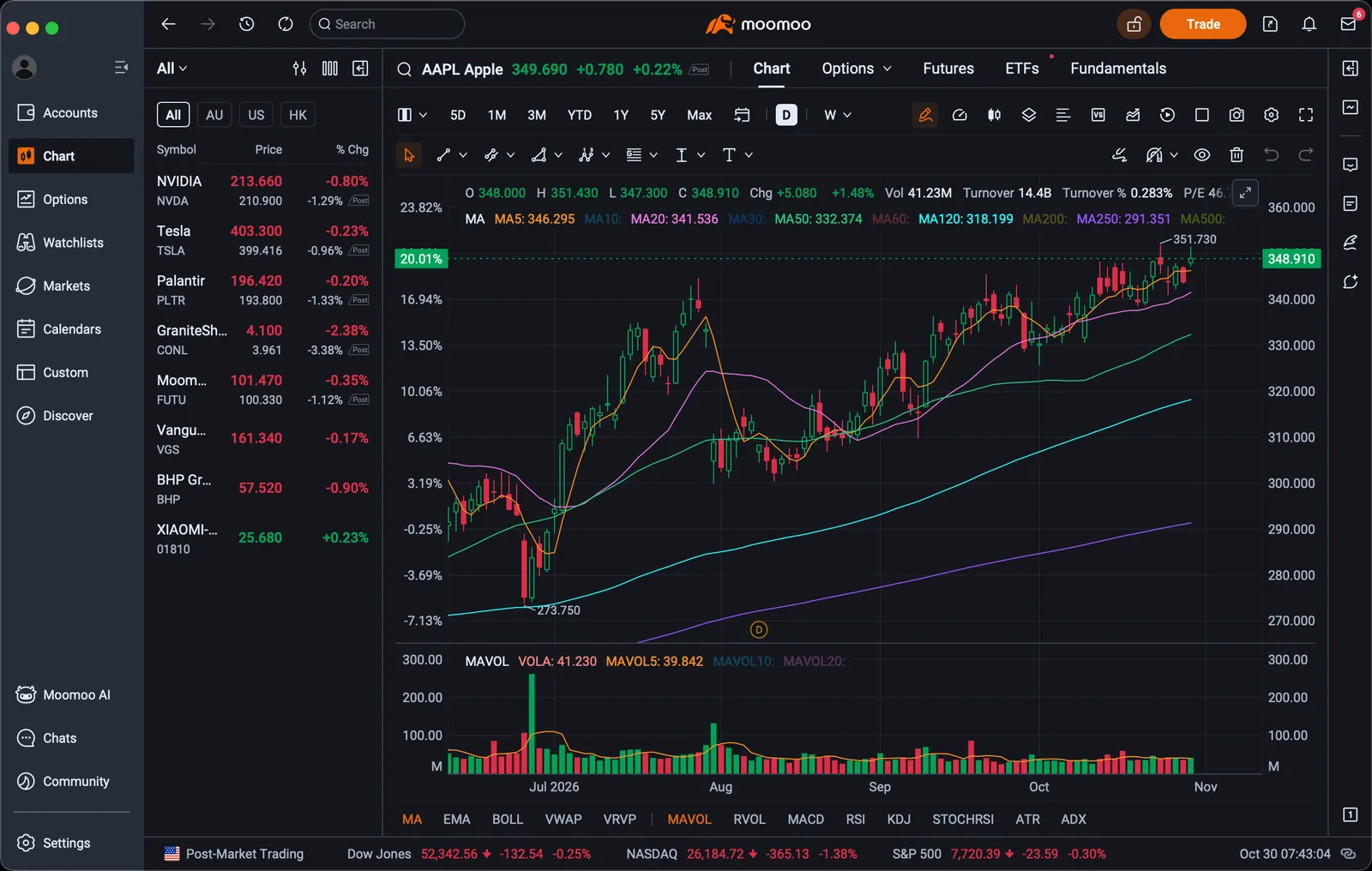
A trading platform is the software (web, desktop or mobile app) that you use to see prices, place orders and manage positions. It is not the same as your broker, and not the same as the regulator. The broker holds your account and your money and is the entity that must be licensed; the platform is the tool the broker gives you to trade through. One broker often offers several platforms, and the same platform (MetaTrader, for example) is offered by many different brokers.
That distinction matters more than it sounds, because it is where a lot of traders get the regulation question wrong. A platform is not "regulated" or "safe" in itself; the broker offering it to you is what carries, or lacks, a licence.
Types of trading platform
Most platforms offered in Australia fall into a few families. Where we name brokers, they are the ones in our records that offer the platform, not a ranking.
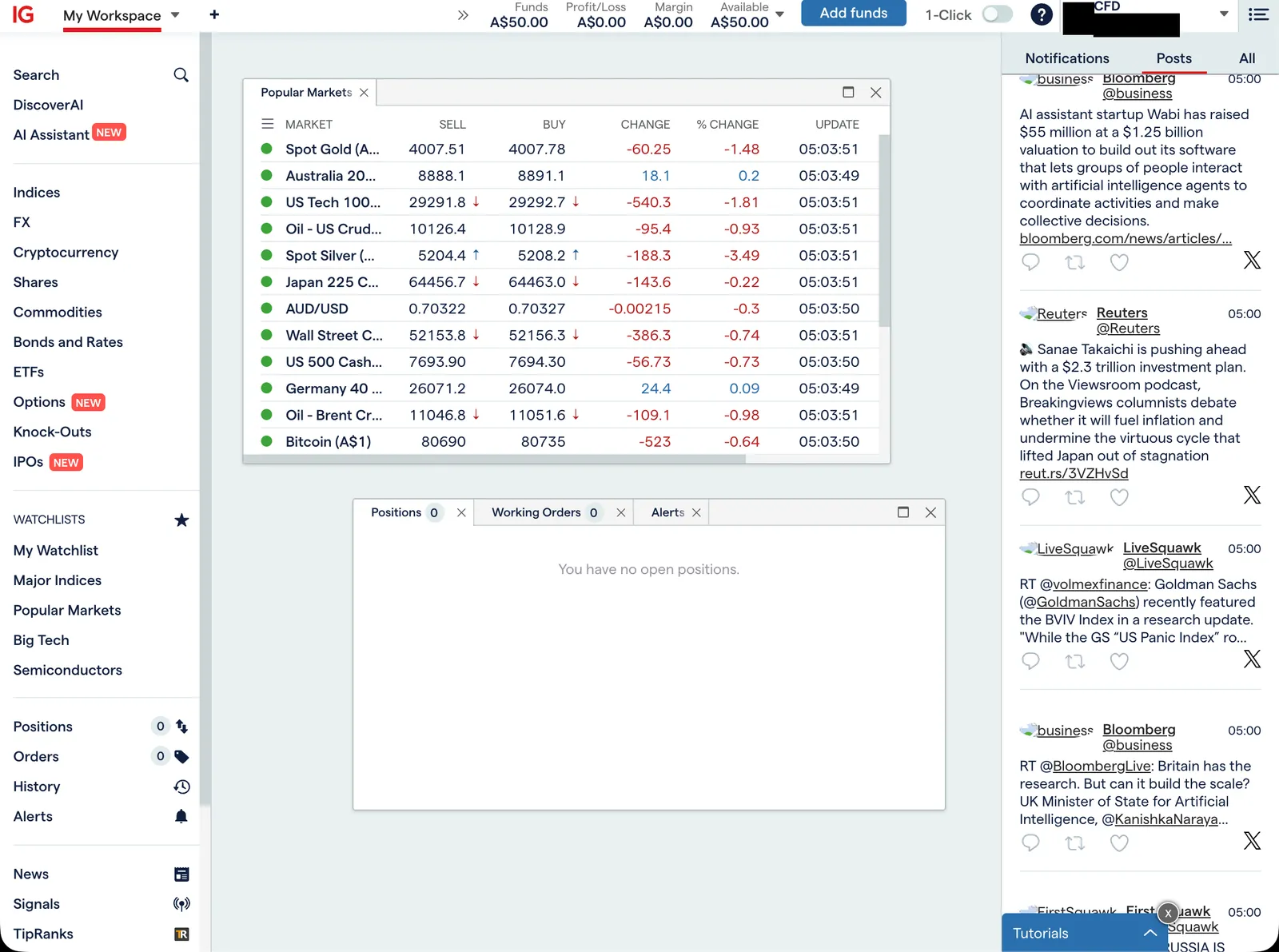
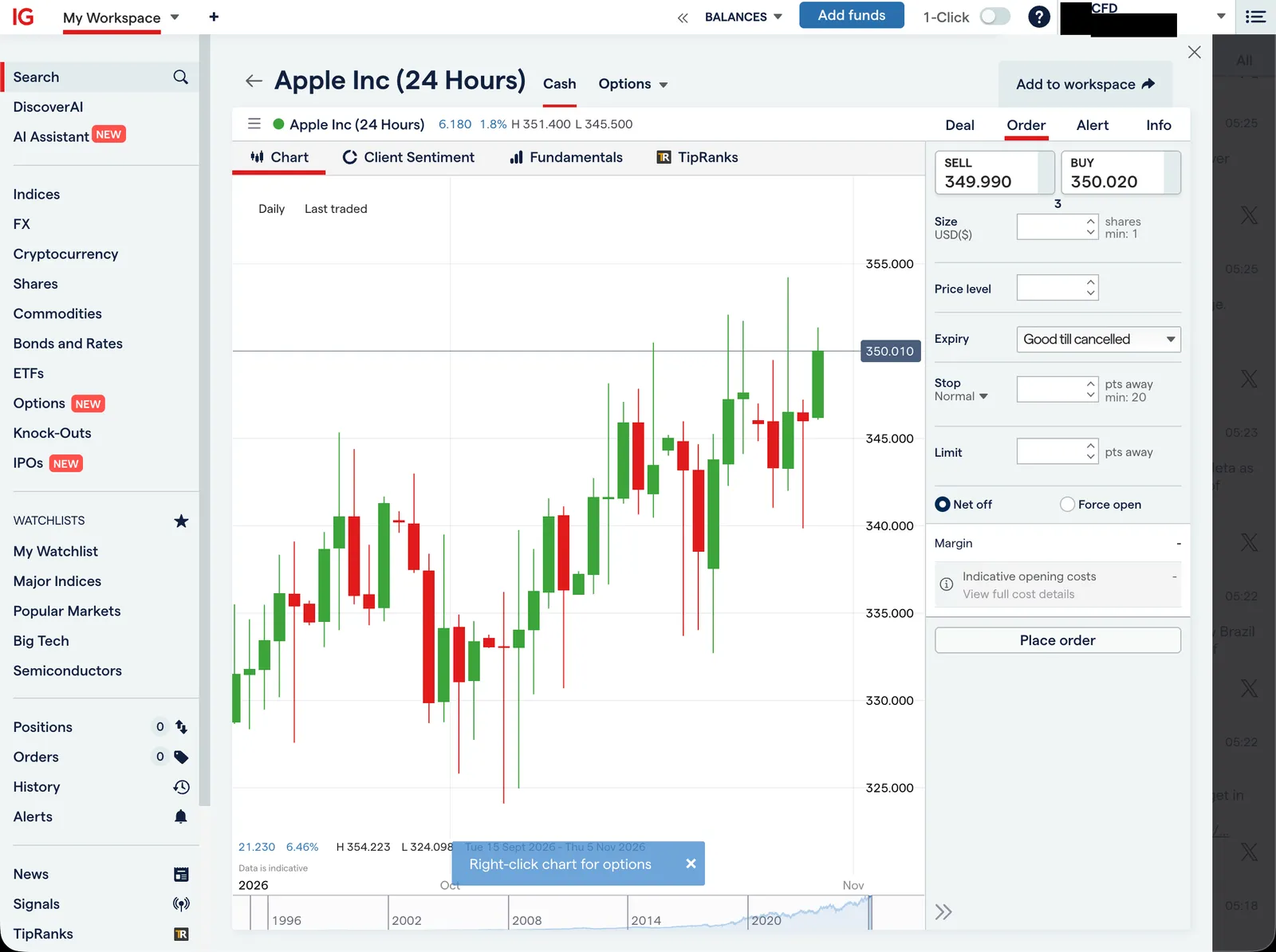
MetaTrader 4 (MT4). The long-time industry standard for forex and CFD trading, known for its stability and its huge ecosystem of automated trading tools (Expert Advisors). Still the default many traders learn on. Among the brokers we list, IG offers it.
MetaTrader 5 (MT5). MT4's successor: broader asset coverage (it can carry stocks and futures alongside forex and CFDs, where the broker offers them), more timeframes and stronger backtesting. Not simply "MT4 but newer": it is a different platform, which is why many brokers still offer both. None of the brokers we list offers it yet.
cTrader. Favoured by traders who want depth-of-market pricing and fast execution, with its own automated-trading language (cBots, written in C#). Less widespread than MetaTrader. None of the brokers we list offers it yet.
TradingView. Primarily the best-known charting and analysis platform, increasingly usable as a trading front-end when connected to a supported broker. Strong for analysis; execution depends on the broker link. Among the brokers we list, eToro and IG offer it.
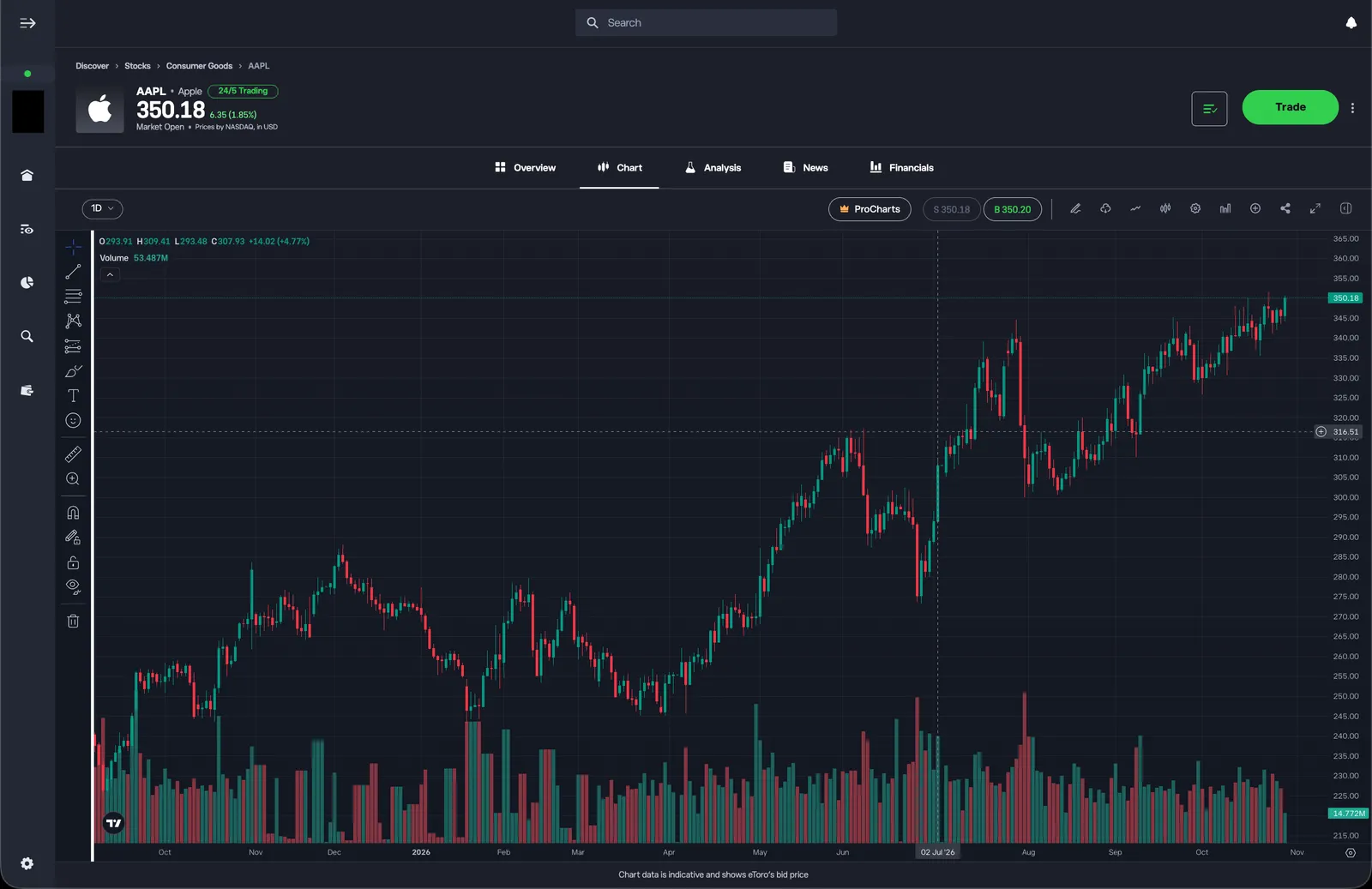
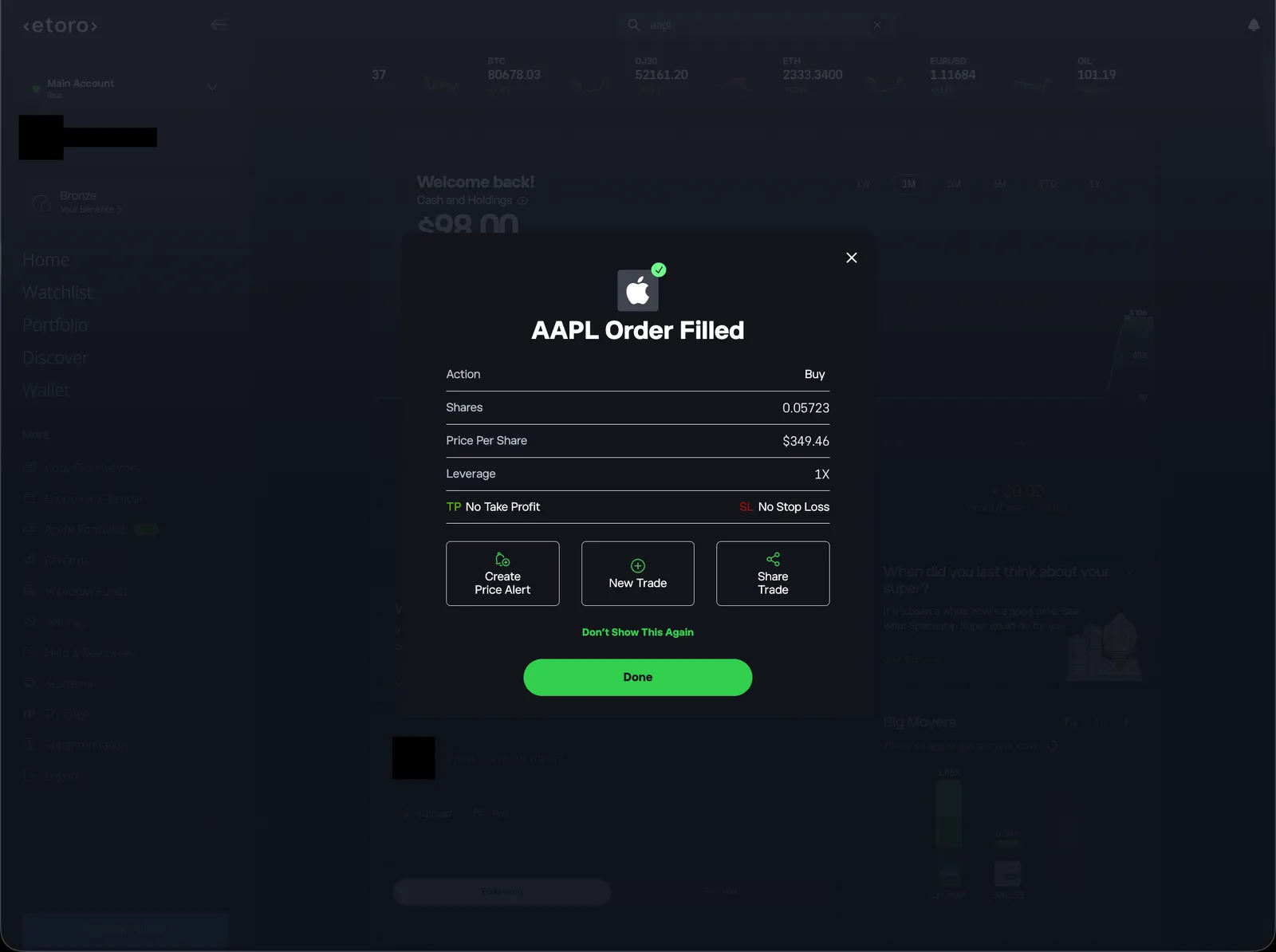
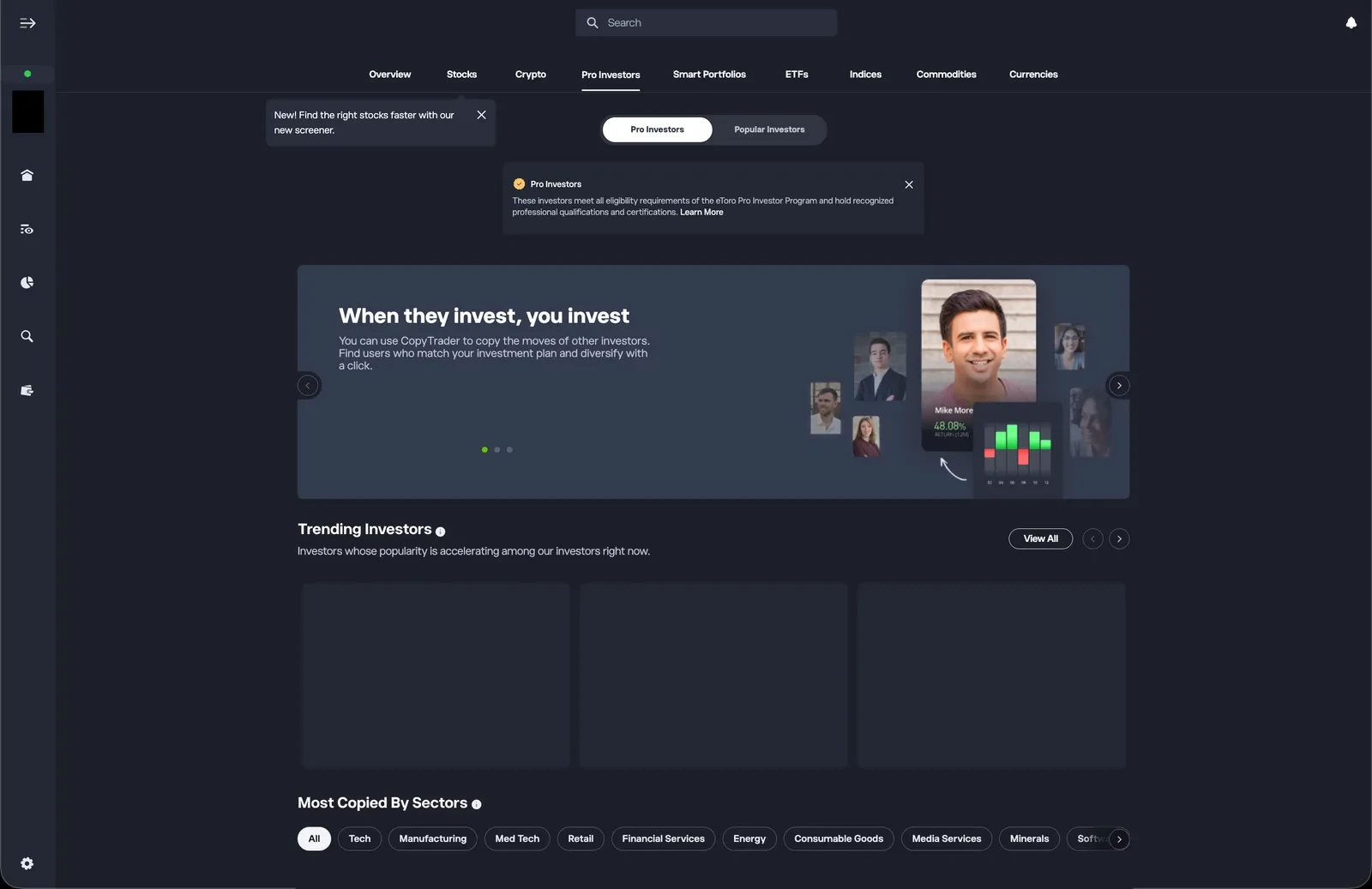
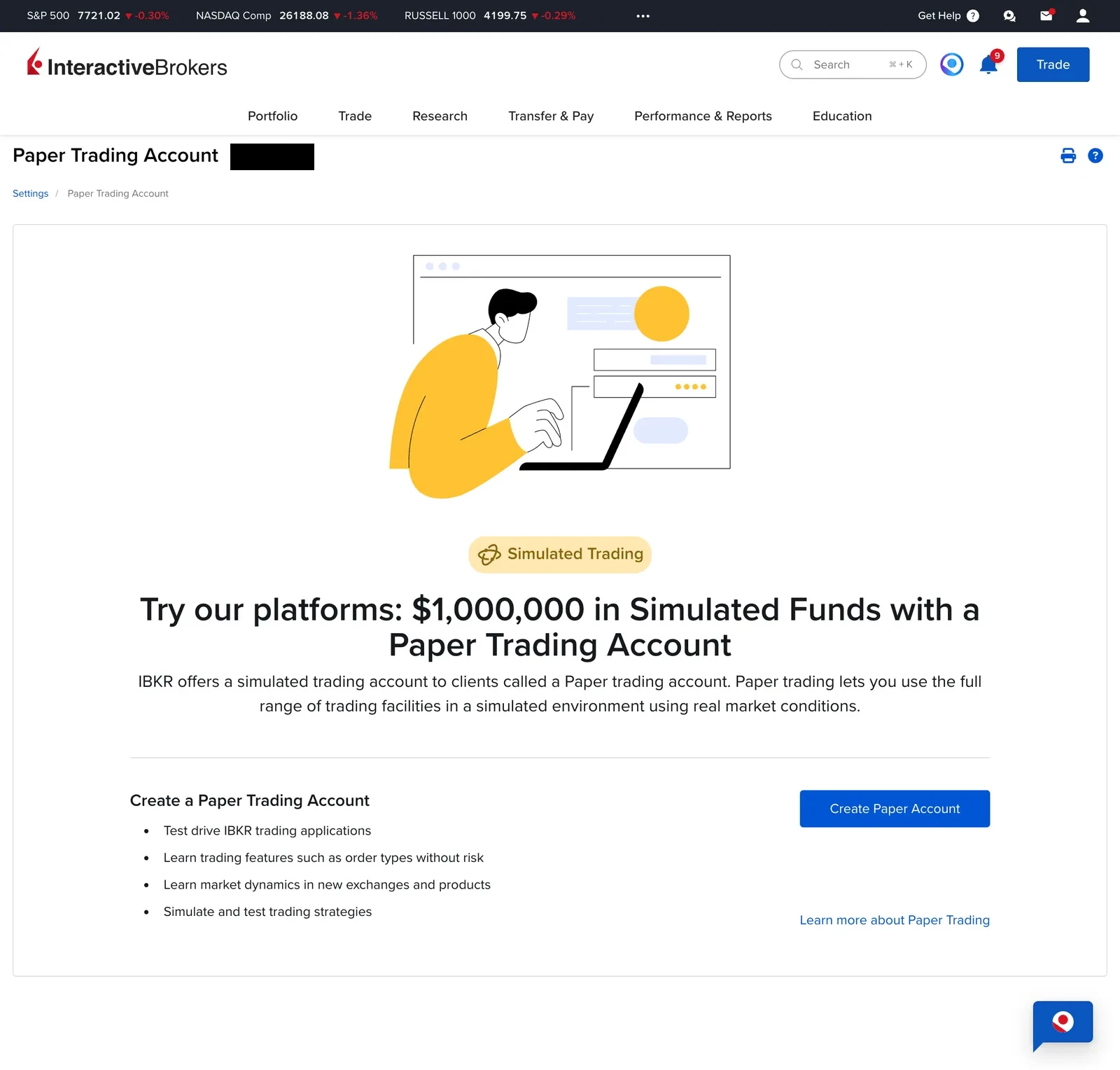
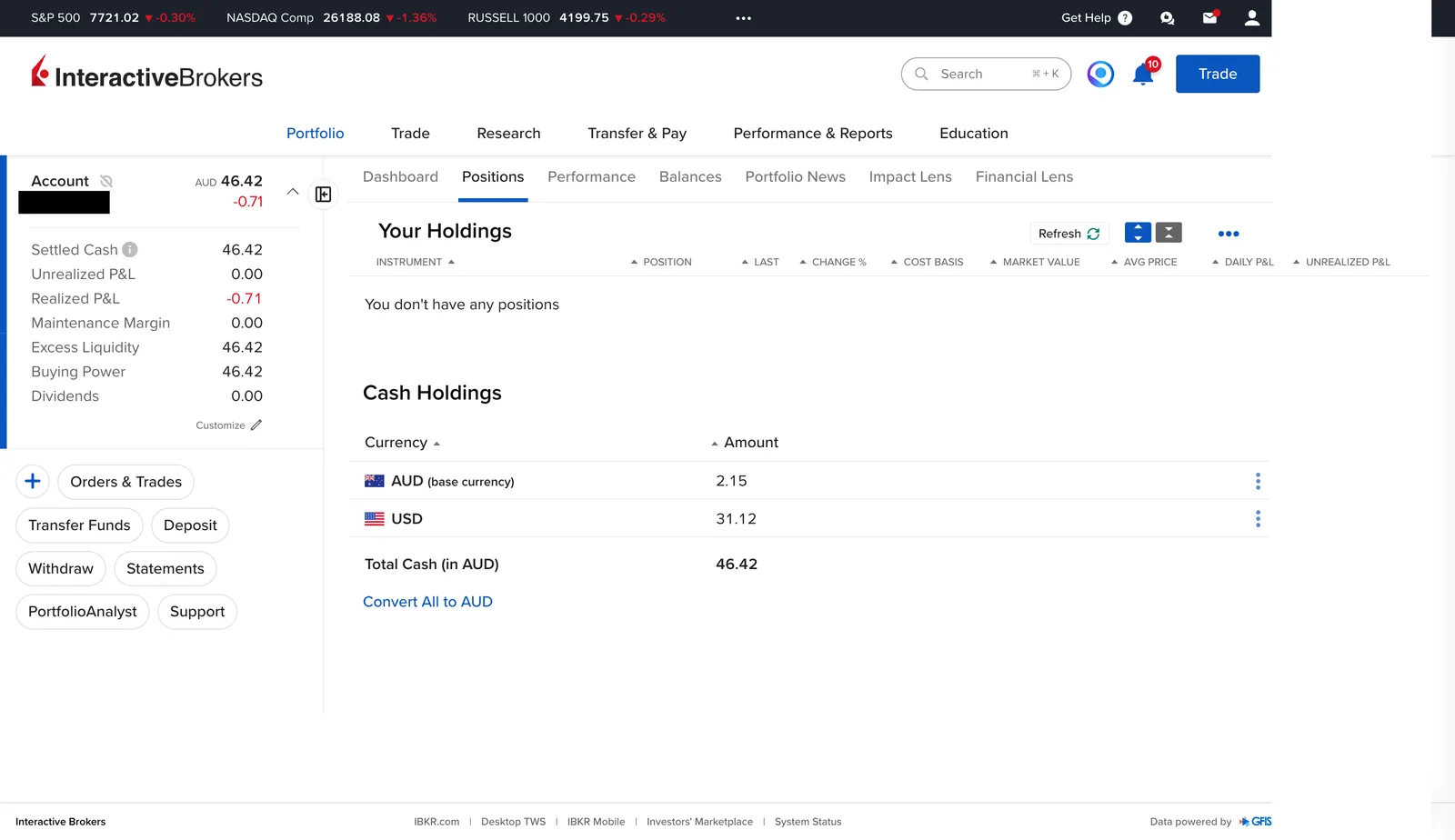
Proprietary platforms. Broker-built web and mobile apps, often the easiest for beginners and the home of features like copy trading. Some come with real share ownership, which a CFD on any platform does not give you; on Australian shares, check whether the platform holds them in your name on CHESS or through a custodian, as our CHESS sponsorship guide explains. Among the brokers we list, eToro, IG and Interactive Brokers offer it.
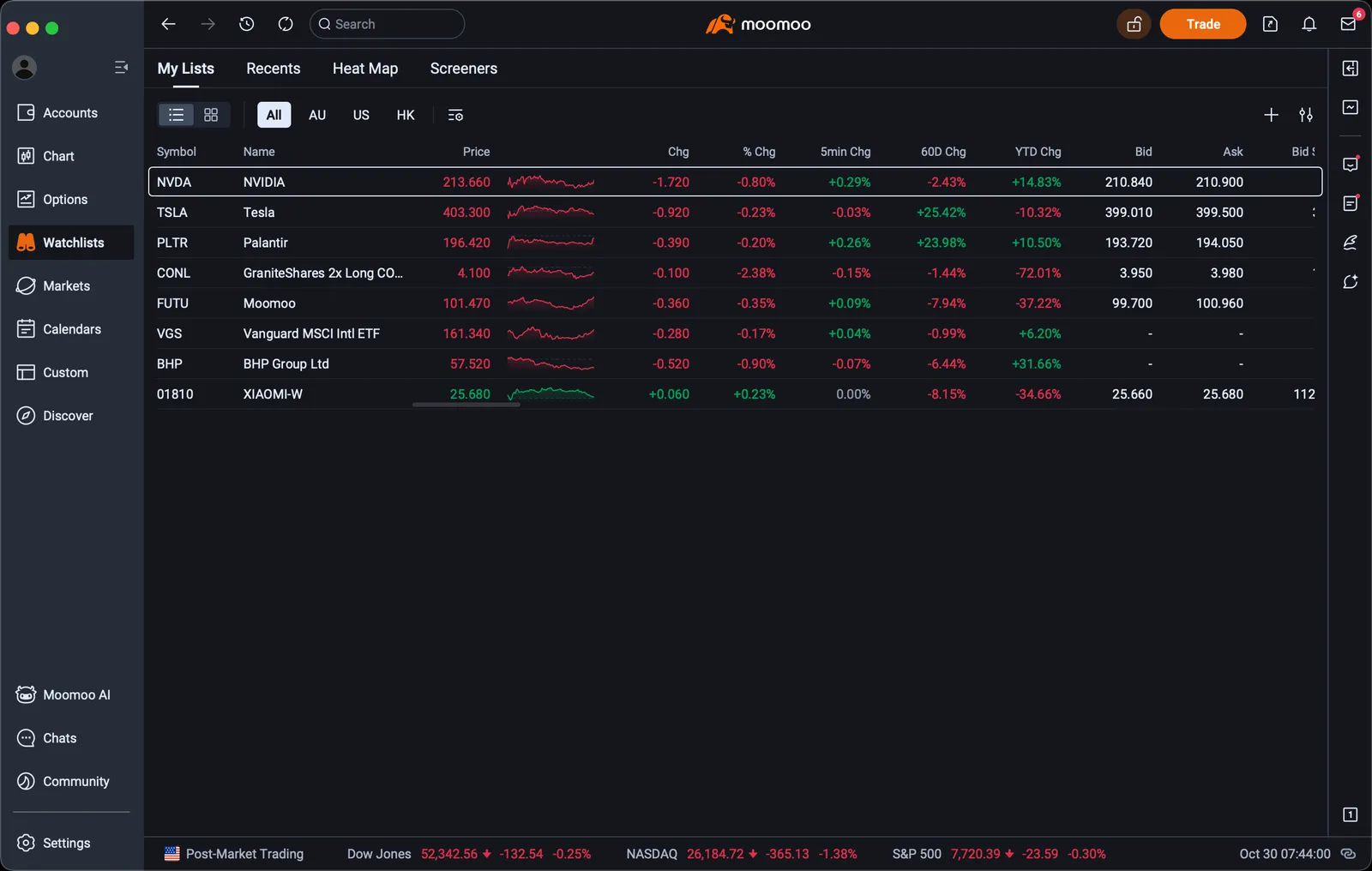
One practical difference runs underneath all of this: a proprietary platform is usually easier to learn and better integrated with its broker's own funding and account tools, while a third-party platform is more portable. The skills you build on MT5 or cTrader, and any automated strategies you write for them, move with you if you change broker. What you learn in a broker's own app does not.
Platform comparison
The differences that actually decide which platform fits, at a glance. The last column comes from our broker records and shows who offers each platform, not a recommendation.
| Platform | Best for | Automated trading | Asset classes | Brokers offering it |
|---|---|---|---|---|
| MT4 | Forex and CFD trading; learning the standard | Yes: Expert Advisors (MQL4) | Forex, CFDs (indices, commodities) | IG |
| MT5 | Multi-asset trading; backtesting | Yes: EAs (MQL5), stronger testing | Forex, CFDs, plus stocks and futures where offered | None of the brokers we list |
| cTrader | Depth of market, fast execution | Yes: cBots (C#) | Forex, CFDs | None of the brokers we list |
| TradingView | Charting and analysis; also a trading front-end | Limited: alerts and Pine Script (broker-dependent) | Broad charts; tradable via a linked broker | eToro, IG |
| Proprietary | Beginners, copy trading, integrated apps | Varies by broker | Varies by broker | eToro, IG, Interactive Brokers |
If your priority is automated or algorithmic trading, MT4, MT5 and cTrader are the platforms built for it. If it is charting and analysis, TradingView leads. If it is copy trading or an easy first app, a proprietary platform usually fits best. The ranked verdicts on the brokers behind them are on our best share trading platforms in Australia page.
Platform features that matter
Beyond the name, the features worth weighing:
- Execution and order types: how fast and reliably orders fill, and whether the platform supports the stop-losses and advanced order types you need.
- Charting and analysis: indicators, drawing tools and timeframes.
- Automated and algorithmic trading: whether you can run Expert Advisors, cBots or Pine Script strategies.
- Copy trading: following other traders' positions automatically, usually a feature of a broker's own platform.
- Paper or demo trading: practising with virtual money before risking real capital.
- Mobile parity: whether the mobile app can actually do what the desktop one does, which matters if you trade on the move.
Are trading platforms regulated in Australia?
No. A platform itself is not regulated; the broker offering it is. MetaTrader, cTrader and TradingView are software. The company you trade real money with is the broker, and to deal with retail clients in Australia it generally needs an Australian financial services (AFS) licence, or to act as an authorised representative of a licensee. So "is MT4 regulated?" is the wrong question. The right one is "is the broker offering me MT4 licensed, and which company holds my account?"
To check, identify the exact legal entity the broker onboards you to and confirm it on the ASIC Professional Registers. The same MT4 platform can be offered by a licensed broker and by an offshore one with little oversight, and the platform looks identical either way. The Australia regulation hub and ASIC explained walk through the checks.
How do trading platforms make money?
The platform software and the broker make money in different ways. Platform makers such as MetaQuotes, which makes MetaTrader, license their software to brokers. The broker you trade with earns from the spread (the gap between the buy and sell price), from commission on some account types, and from overnight financing on leveraged positions held past the daily cut-off. Some brokers also earn from the difference between what they charge you and what their own liquidity provider charges them.
None of this is hidden or improper, but it is why "zero commission" rarely means free: the cost is usually in the spread or the financing. Our broker reviews set out each broker's fees.
How to choose a trading platform
Work backwards from what you trade and how. If you trade forex and CFDs and want automation, an MT4, MT5 or cTrader broker fits. If you want to own shares and build a portfolio, a broker with real share access matters more than MetaTrader, and so does how it holds your shares. If you are a beginner or want copy trading, an easy proprietary app is usually the right first platform.
And whatever the platform, the broker behind it must be licensed to serve you. That filter comes before features. Then compare the specific brokers on fees, regulation and platform quality. Before trading on margin, the margin calculator and position size calculator show what a position ties up and what it risks.
Which trading platform is best in Australia?
It depends on what you trade and the features you need, which is a comparison rather than a single answer, and it is really a question about the broker, since the same platform varies by who offers it. We rank the platforms, the mobile apps and the brokers behind them on our best share trading platforms in Australia page. This page is the background on platform types; that page is where the "which one" decision lives.
Related broker rankings & reviews
Australia-specific note
The platform you use affects execution, charting, available assets, mobile reliability, order types and account reporting. But it is the broker behind it that holds your money and must hold a licence. Confirm the legal entity on the ASIC register before you deposit, then compare on regulation, AUD funding and total fees.
Frequently asked questions
What is MetaTrader 4 (MT4)?
What is the difference between MT4 and MT5?
Which trading platforms support automated trading?
Are trading platforms regulated in Australia?
How do trading platforms make money?
Related hubs

Rory Hughes
Rory Hughes has been Chief Operating Officer of Business24-7, a UAE broker comparison site, since 2023. He researches, tests and writes ShareTradingPlatforms.au's broker reviews and comparison guides, focusing on total cost of trading and which entity actually onboards the client.